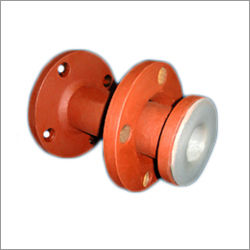
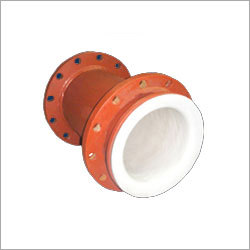
About PTFE Lined Dip Pipe
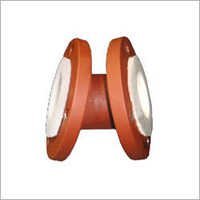
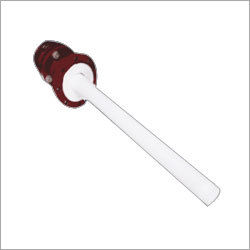
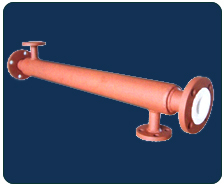
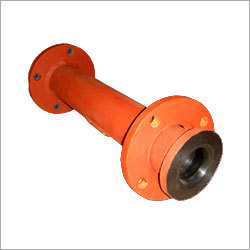
PTFE Lined Dip Pipe
Dimensionals Data
| Size | DN 25 | DN 40 | DN 50 | DN 80 | DN 100 |
| E mm | 45 | 62 | 78 | 102 | 133 |
| DN 1 mm | 25 | 40 | 50 | 80 | 100 |
| DN 3 min mm | 65 | 80 | 100 | 150 | 150 |
| DN 3 min mm | 300 | 300 | 300 | 300 | 300 |
Lining Material : PTFE / PP (Poly Propyline) / HDPE
Test
- Hydro Test At 10 Kg/cm2
- Spark Test At 10 Kv
- Air Leak Test 3 Kg/cm2
Reliable Chemical Resistance for Harsh EnvironmentsPTFE Lined Dip Pipes provide exceptional protection against corrosive liquids, making them ideal for chemical, pharmaceutical, and petrochemical applications. The PTFE/FEP/PFA lining prevents contamination and degradation, ensuring process purity and extended lifespan even under continuous use in demanding environments.
Customizable and Compliant with International StandardsAll dip pipes are manufactured to conform with international standards such as ASME B16.5, DIN, ANSI, and ISO. They are available in various lengths (500 mm to 6000 mm), diameters (25 mm to 300 mm), and custom coating colors, allowing seamless integration into existing systems. Fusion Bonded Epoxy or paint coating provides added surface protection.
FAQs of PTFE Lined Dip Pipe:
Q: How do PTFE lined dip pipes improve safety and longevity in chemical processing?
A: The PTFE lining acts as a robust barrier against aggressive chemicals, preventing the steel pipe from corroding or reacting with the process media. This results in increased operational safety, minimal maintenance, and an extended service life for the equipment.
Q: What is the standard thickness of the PTFE lining and why is it important?
A: The lining thickness ranges from 3 to 5 mm, ensuring thorough coverage and optimal protection of the internal pipe surface. This thickness is sufficient to withstand most process chemicals while maintaining the mechanical strength of the pipe.
Q: Where can PTFE lined dip pipes be installed?
A: These dip pipes are versatile and suited for installation in chemical plants, pharmaceutical manufacturing units, petrochemical refineries, and water treatment facilities. Their robust construction and customizability cater to a wide array of industrial setups.
Q: What is the process for selecting the right PTFE lined dip pipe for my application?
A: Selection involves determining the required diameter, length, and connection type based on your process parameters. Our engineers will also consider chemical compatibility and mechanical requirements to recommend the most suitable material grade, lining type, and coating.
Q: When should PTFE lined dip pipes be used instead of standard steel pipes?
A: PTFE lined dip pipes are recommended whenever the conveyed medium is highly corrosive or reactive, and the process demands zero contamination and high durabilityscenarios where standard steel pipes would fail prematurely due to corrosion.
Q: What benefits do users gain from the flanged connection design?
A: Flanged connections offer easy installation and removal, facilitating routine inspections and maintenance. This design enhances sealing integrity, especially when combined with PTFE gaskets, reducing the risk of leaks in critical applications.





 Send Inquiry


 Send Inquiry
 Send Inquiry
 Send SMS