About HDPE Lined Sight Flow Indicator
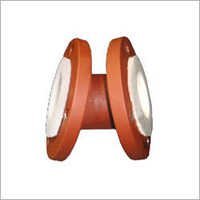
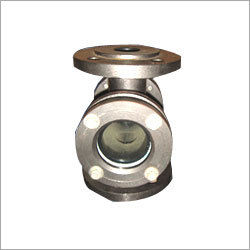
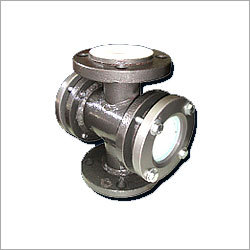
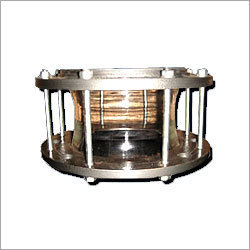
HDPE Lined Sight Flow Indicator
Dimensional Data
| Size | DN 25 | DN 40 | DN 50 | DN 65 | DN 80 | DN 100 | DN 150 | DN 200 |
| B mm | 58 | 78
| 98
| 117
| 128
| 167
| 215
| 272
|
| A mm | 160 | 200 | 230 | 290 | 310 | 350 | 406 | 460 |
| Liner thick mm | 3.5 | 4 | 4.2 | 4.5 | 5 | 5 | 6.5 | 6.5 |
Lining Material : PTFE / PP (Poly Propyline) / HDPE
Test : Spark Test At 10 Kv
Superior Corrosion ResistanceFeaturing an HDPE Grade PE100 liner within a sturdy metal body, this sight flow indicator exhibits exceptional resistance to acids, alkalis, and various solvents. This makes it ideal for aggressive chemical environments, significantly enhancing operational longevity and reducing maintenance needs in pipeline systems.
Comprehensive Inspection VisibilityEquipped with a borosilicate or tempered glass window, the sight flow indicator permits unobstructed 360 observation of flow conditions inside the pipeline. Coupled with glass thickness tailored (1015 mm) according to size, it assures safety while offering real-time process insight for operators.
Flexible Installation and CustomizationDesigned for horizontal or vertical installation, the unit supports multiple flanged end connection standardsANSI B16.5, DIN PN10/16, JIS, or BS. Standard color is blue with options for customization, accommodating a wide variety of industrial requirements. Selection of flange material and gasket type ensures system compatibility.
FAQs of HDPE Lined Sight Flow Indicator:
Q: How is the HDPE Lined Sight Flow Indicator installed, and in what orientations can it be used?
A: The sight flow indicator is designed for versatile installation and can be mounted in both horizontal and vertical pipeline orientations. Its flanged connections are compatible with ANSI B16.5, DIN PN10/16, JIS, and BS standards, ensuring easy integration into existing systems.
Q: What process does the device use for visual inspection of flow in pipelines?
A: This indicator utilizes a cylindrical chamber with a borosilicate or tempered glass window, enabling users to visually monitor media flow. The transparent window provides 360 inspection, making it simple to detect the presence, quality, and movement of fluids within the pipeline.
Q: What benefits does HDPE lining provide compared to conventional metal-bodied sight glass indicators?
A: HDPE lining significantly boosts resistance against a wide range of corrosive substances such as acids, alkalis, and solvents. This prolongs equipment life, reduces maintenance intervals, and preserves structural integrity even in demanding chemical service environments.
Q: Where is the HDPE Lined Sight Flow Indicator most commonly used?
A: This device is ideal for application in acid and chemical transfer lines, water supply systems, and various industrial pipelines, particularly where aggressive or hazardous media are handled. Its corrosion-resistant properties make it a preferred choice in chemical plants and water treatment facilities.
Q: What steps are taken to ensure reliability and leakage prevention in these indicators?
A: Each unit is 100% hydro-tested at 1.5 times the rated pressure to verify leakage integrity before shipment. Precision tolerances (1 mm), quality HDPE lining, robust sealing (PTFE or EPDM gaskets), and compliance with PED and ISO 9001:2015 standards further guarantee dependable performance.
Q: How is maintenance handled, and are the internal components easily replaceable?
A: Maintenance is straightforwardboth the HDPE lining and glass inspection window are designed for easy replacement when required, minimizing system downtime. The modular design ensures operators can perform maintenance without special tools or extensive disassembly.





 Send Inquiry


 Send Inquiry
 Send Inquiry
 Send SMS