About PTFE Lined Sight Flow Indicator
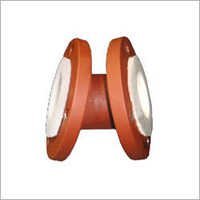
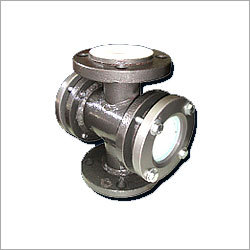
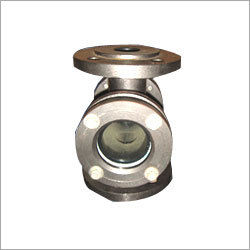
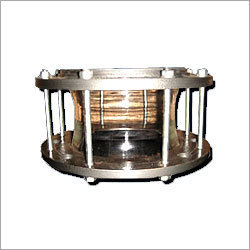
PTFE Lined Sight Flow Indicator
Dimensional Data
| Size | DN 25 | DN 40 | DN 50 | DN 65 | DN 80 | DN 100 | DN 150 | DN 200 |
| B mm | 38 | 54 | 65 | 85 | 105 | 135 | 135 | 180 |
| A mm | 160 | 200 | 230 | 290 | 310 | 350 | 406 | 460 |
| Liner thick mm | 3.5 | 4 | 4.2 | 4.5 | 5 | 5 | 6.5 | 6.5 |
Lining Material : PTFE / PP (Poly Propyline) / HDPE
Test : Spark Test At 10 Kv
Durable PTFE Lining for Harsh EnvironmentsThe indicators inner surface is lined with high-grade virgin PTFE, offering superior resistance to aggressive chemicals and corrosive media. The linings consistent thickness and precise tolerance (1 mm) guarantee reliable performance and longevity, even under challenging process conditions.
Versatile and Standardized ConnectionsAvailable in a wide selection of sizes (DN25 to DN200) and compatible with ANSI and DIN flanges, this sight flow indicator is suitable for integration with international piping systems. Its robust MS/SS body further enhances mechanical stability, making it a preferred choice for various industrial sectors.
Clear and Safe Flow MonitoringDesigned for straightforward, in-line installation, the PTFE Lined Sight Flow Indicator provides continuous, visual confirmation of flow status within pipelines. This allows for immediate identification of blockages or interruptions, significantly improving operational safety and process control.
FAQs of PTFE Lined Sight Flow Indicator:
Q: How is the PTFE Lined Sight Flow Indicator installed in a pipeline?
A: The indicator is installed inline using flanged connections, compatible with ANSI or DIN standards. Installation should follow standard piping practices, ensuring proper alignment and use of PTFE gaskets for optimal sealing.
Q: What types of fluids can this sight flow indicator be used with?
A: Thanks to its virgin PTFE lining and corrosion-resistant MS/SS body, it is suitable for highly corrosive chemicals, solvents, acids, alkalis, and process fluids found in chemical, pharmaceutical, petrochemical, and water treatment plants.
Q: When should you use a PTFE Lined Sight Flow Indicator instead of a regular glass indicator?
A: PTFE lined indicators are recommended when working with aggressive or hazardous chemicals that can degrade glass or metal surfaces, as PTFE provides excellent chemical resistance and non-reactive properties.
Q: Where is this product typically used?
A: It finds application predominantly in chemical processing plants, pharmaceuticals, petrochemical industries, and water treatment facilitiesanywhere inline, real-time visual flow monitoring is required for safety and process management.
Q: What maintenance is required for this sight flow indicator?
A: Routine maintenance involves visual inspection for any buildup or discoloration on the sight glass and periodic verification of the PTFE linings condition. PTFEs inert nature reduces the frequency of cleaning and maintenance compared to unlined units.
Q: What are the main benefits of using a PTFE lined sight flow indicator?
A: Key benefits include outstanding chemical resistance, durability, compatibility with a wide range of fluids, safety in high-corrosive environments, and reliable real-time visual monitoring of fluid flow.





 Send Inquiry


 Send Inquiry
 Send Inquiry
 Send SMS