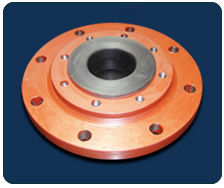
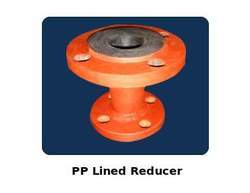
About MS Polypropylene Lined Reducer
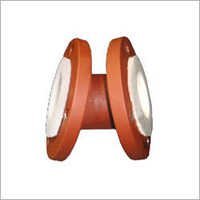
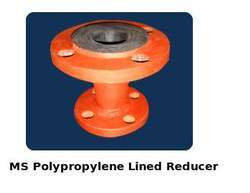
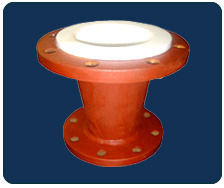
With through domain expertise, our organization is indulged in offering an assorted range of MS Polypropylene Lined Reducer. Designed with varied diameters on both ends, the offered reducer is considered ideal for joining two pipes end-to-end having different diameters. It is manufactured under the stern guidance of our seasoned professionals using topnotch quality mild steel and polypropylene polymers keeping in mind international standards. Available in different diameters and lengths, this MS Polypropylene Lined Reducer is offered to the clients at negotiable prices.
Features:
-
Corrosion resistance
-
Dimensional accuracy
-
Leakage-free fitting
-
Easy installation
Exceptional Corrosion ResistanceThe reducer is developed with a seamless or welded mild steel body and a hot fusion-bonded virgin polypropylene liner, offering top-tier corrosion protection. This combination ensures longevity and minimal maintenance when transferring corrosive fluids, making it reliable for challenging industrial conditions.
Versatile Applications Across IndustriesDesigned for chemical processing, water treatment, and hazardous fluid transfer, the MS Polypropylene Lined Reducer meets international standards such as ASTM, DIN, and IS. With sizes from 25 mm up to 300 mm and customizable flange connections, it integrates seamlessly into diverse piping setups.
High-Quality Manufacturing and InspectionEach reducer is precision machined and undergoes hydrostatic leakage tests at 1.5 times its rated pressure, ensuring robust performance and safety. The PP lining offers strong adhesion to the MS body (>1.5 kg/cm), and the finished product is visually inspected for surface integrity and tolerance compliance.
FAQs of MS Polypropylene Lined Reducer:
Q: How is the polypropylene lining bonded to the mild steel reducer body?
A: The polypropylene lining is bonded to the mild steel body using a hot fusion process, which delivers strong adhesion exceeding 1.5 kg/cm per PP to MS interface, ensuring durability and chemical resistance throughout service life.
Q: What standards must the end flange drilling comply with?
A: The end flanges are drilled according to ANSI B16.5, DIN, or IS specifications, allowing for compatibility with global pipe connection requirements and diverse operating environments.
Q: Where can the MS Polypropylene Lined Reducer be used effectively?
A: This reducer is widely applicable in chemical process industries, water treatment plants, and systems transporting corrosive or hazardous fluids due to its robust resistance to acids, alkalis, and solvents.
Q: What is the internal surface finish of the reducer, and why is it important?
A: The internal surface is finished to a smooth, glossy profile, which minimizes fluid friction and prevents the accumulation of residues, thereby ensuring efficient flow and simplified cleaning.
Q: What manufacturing processes are involved in creating this reducer?
A: Manufacturing involves seamless or welded MS fabrication, hot fusion polypropylene lining, and precision machining. The reducer is hydro tested and visually inspected to ensure quality and safety before delivery.
Q: When is a concentric versus an eccentric shaped reducer recommended?
A: Concentric reducers are preferred when a smooth, symmetrical transition in pipe size is needed, while eccentric reducers help maintain bottom pipe alignment, preventing fluid pooling in horizontal piping systems, which is essential for certain process applications.
Q: What are the main benefits of installing a polypropylene lined reducer in a pipeline?
A: Key benefits include exceptional corrosion resistance, enhanced service life, non-conductive lining for safety, and reliability under varied temperatures and pressures, making it well-suited for handling aggressive fluids in challenging industrial settings.





 Send Inquiry


 Send Inquiry
 Send Inquiry
 Send SMS